ECB Delivers First Rate Hike Since 2023 as Iran Conflict Drives Inflation Higher
The European Central Bank raised rates by 25 basis points in June 2026, its first hike since 2023, as energy prices surge on Iran-related supply disruptions.
A Pivotal Shift in European Monetary Policy
The European Central Bank raised its key interest rates by 25 basis points at its June 2026 policy meeting, marking the first rate increase since 2023 and a decisive pivot away from the easing cycle that had dominated ECB policy for much of the past two years. The decision came as a surprise to a segment of the market that had expected the ECB to hold steady amid softening eurozone growth data, though most economists had anticipated at least one additional hike given persistent inflationary pressure.
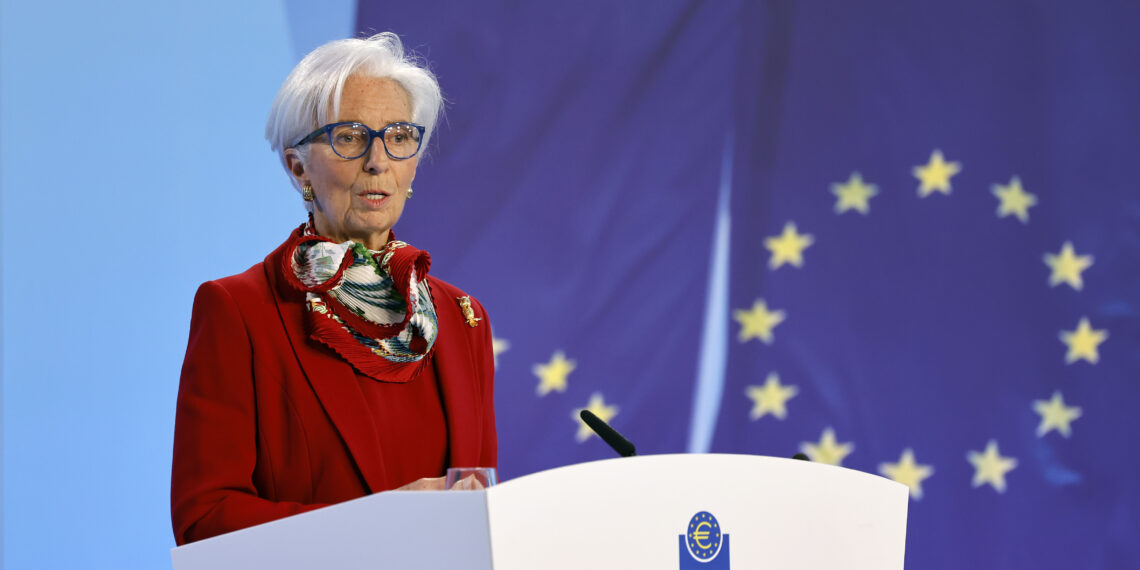
ECB President Christine Lagarde framed the decision as necessary to anchor inflation expectations at the 2% medium-term target. "We are not seeing the sustained return to price stability that our mandate requires," Lagarde said at the post-meeting press conference. "The energy situation, exacerbated by geopolitical tensions, continues to feed into core inflation in ways we cannot ignore."
Iran Conflict Fuels the Fire
The primary external catalyst for the hike was the ongoing US-Iran conflict and its disruptive impact on global oil shipments through the Strait of Hormuz — a chokepoint that handles roughly 20% of global oil trade. Elevated energy prices have filtered through to headline inflation across the eurozone, with the ECB upwardly revising its inflation forecasts: headline CPI is now projected at 3.0% for 2026 (up from 2.6%), and core inflation is expected to remain at 2.5% for 2026 and 2027.
The euro briefly surged above $1.16 on the news before retreating toward $1.15, as traders processed the implications of a hawkish ECB alongside continued USD strength. The EUR/USD pair has struggled to maintain gains in recent sessions as both central banks signal prolonged restrictive policy.
What Comes Next
Money markets are now pricing in another 25 basis point hike at the September 2026 meeting, with a July move considered possible but unlikely given the data-dependency the ECB emphasized. Analysts at Cambridge Currencies noted that the revised inflation projections — particularly the upward revision for 2027 — suggest the ECB is not yet confident inflation will return to target without further tightening. Bond yields across the eurozone climbed modestly on the news, with Germany's 10-year Bund yield rising toward 2.8%.