Fed Set to Hold Rates at June 16-17 Meeting but May Signal a Hawkish Pivot
Markets assign a 99.5% probability to no change in the 3.5–3.75% federal funds rate, but Kevin Warsh's first FOMC meeting could mark a significant shift away from an easing bias as inflation remains at 4.2%.
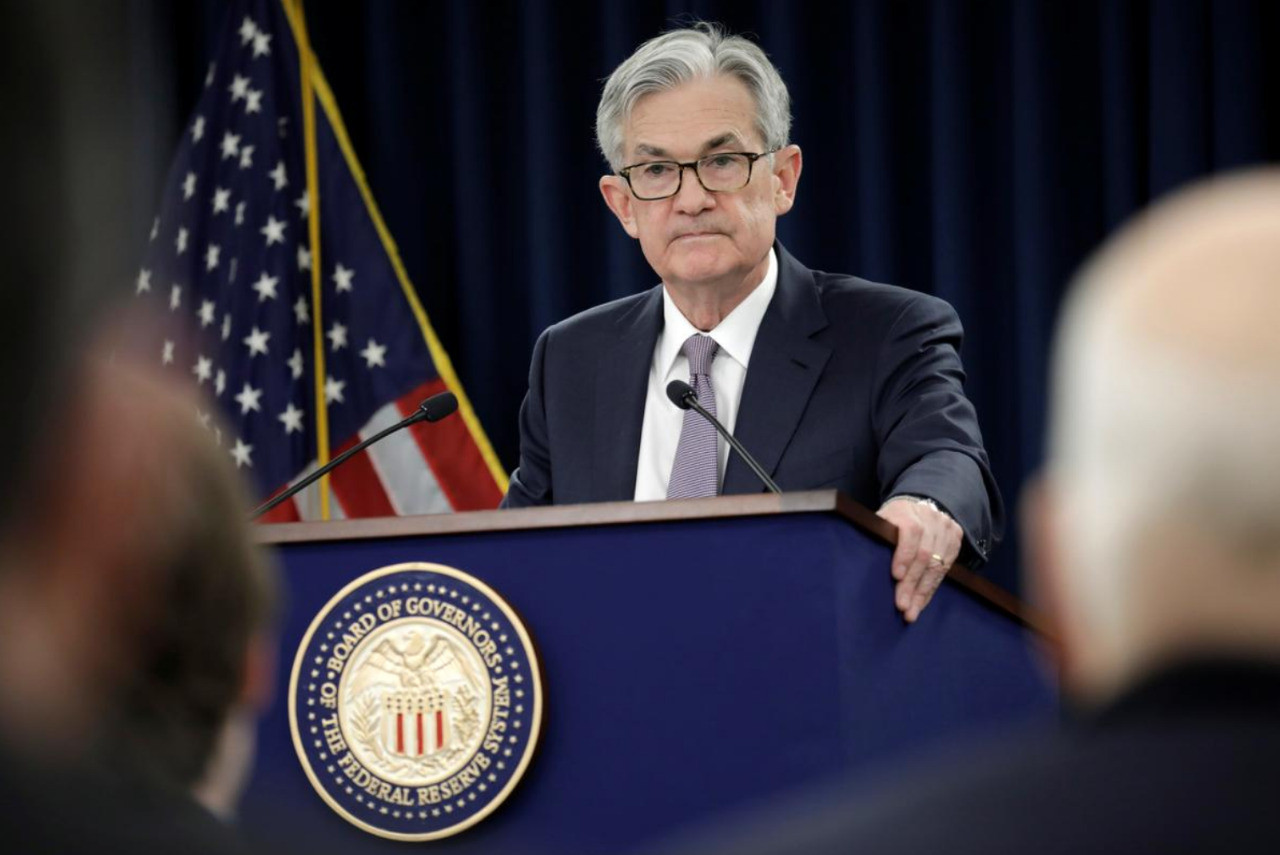
The Federal Open Market Committee convenes for its June 2026 meeting on June 16-17, with the policy decision and accompanying statement scheduled for release at 2:00 p.m. Eastern Time on Wednesday. Markets are nearly unanimous in expecting rates to remain unchanged at the current target range of 3.5–3.75%, with futures-implied probability sitting at 99.5% for a hold.
But the rate decision itself may be the least consequential item on the agenda. What traders and analysts will scrutinize closely is whether the committee shifts its official bias — and whether Chair Kevin Warsh's inaugural press conference signals a meaningful tightening in the Fed's policy posture.
Kevin Warsh's First Meeting
Warsh succeeded Jerome Powell as Federal Reserve Chair on May 15, 2026, after a nomination process that markets watched closely. Warsh has a reputation for being more hawkish than his predecessor, particularly on inflation tolerance. His first meeting as chair gives him a platform to communicate whether the Fed's stance has shifted substantively under his leadership.
Previous FOMC communications have already indicated a formal move away from any easing bias, with policymakers citing persistent above-target inflation and a resilient labour market as reasons to remain cautious about cutting rates.
The Inflation Problem
The critical context for the June meeting is that U.S. headline inflation, as measured by the Consumer Price Index, remains at approximately 4.2% year-over-year — more than double the Fed's 2% target. The labour market remains strong, with unemployment near historical lows. Together, these two data points have kept the Fed in a "higher for longer" stance through the first half of 2026, and there is no near-term catalyst to change that.
Futures markets are pricing the federal funds rate near 3.8% by late 2026 and around 4% by mid-2027 — a trajectory that implies further tightening rather than the rate cuts that were widely anticipated at the beginning of the year.
Gold, Dollar, and Risk Assets
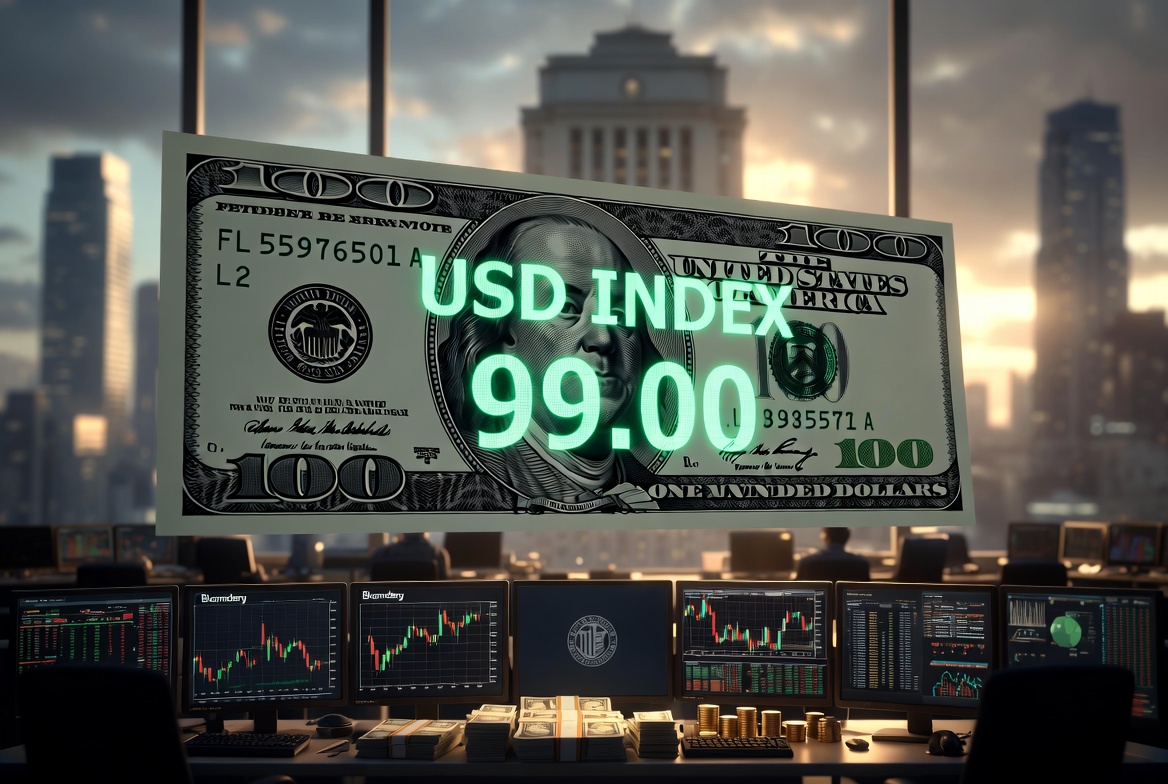
Gold has pulled back sharply from its January 2026 all-time high of $5,589 per ounce, trading near $4,165 — a decline of roughly 25% — as the prospect of a more hawkish Fed has strengthened the U.S. dollar and reduced the appeal of non-yielding assets. The U.S. dollar index (DXY) has held firm ahead of the meeting.
For risk assets including equities and crypto, the key watch point is not the rate decision itself but the language of the FOMC statement and Warsh's remarks in the press conference. A more explicitly hawkish tone — suggesting the committee would consider raising rates if inflation does not moderate — could put near-term pressure on markets that have priced in a gradual stabilisation of rates.
Broader Central Bank Week
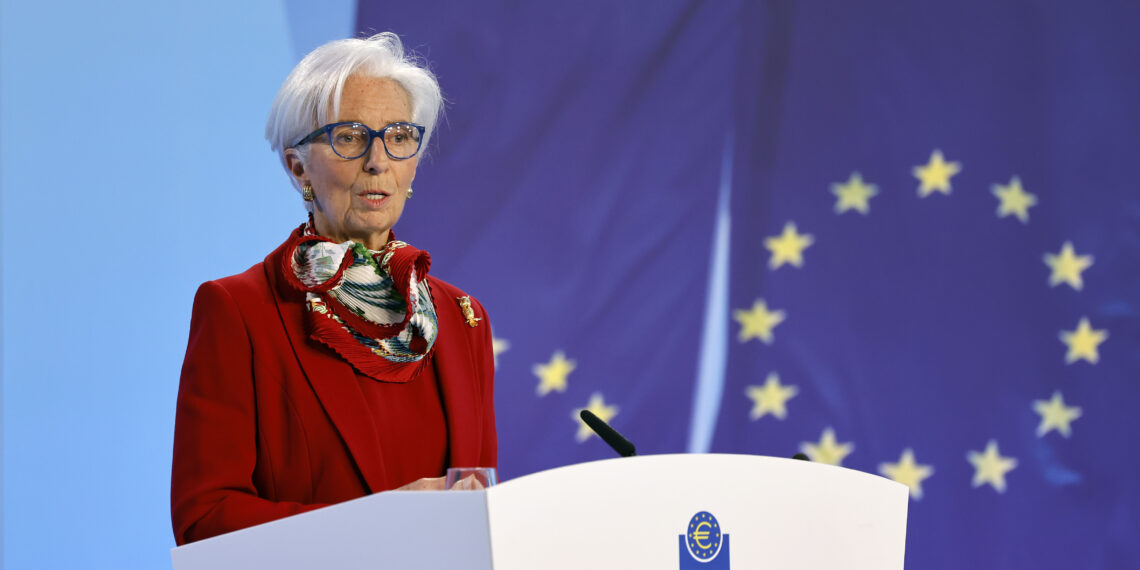
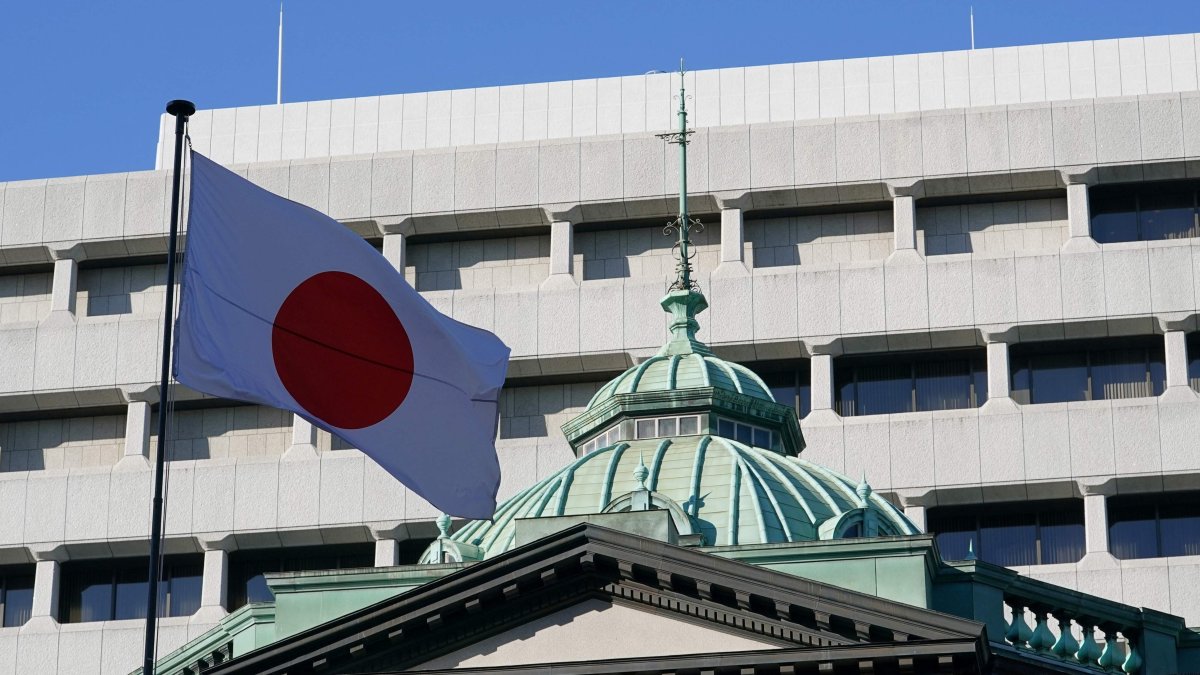
The June 16-17 FOMC meeting takes place during one of the busiest weeks in the global central bank calendar. The Bank of Japan raised its policy rate on June 15, while the Reserve Bank of Australia and the Swiss National Bank are also scheduled to announce decisions in the same week, making this a pivotal moment for global currency markets.