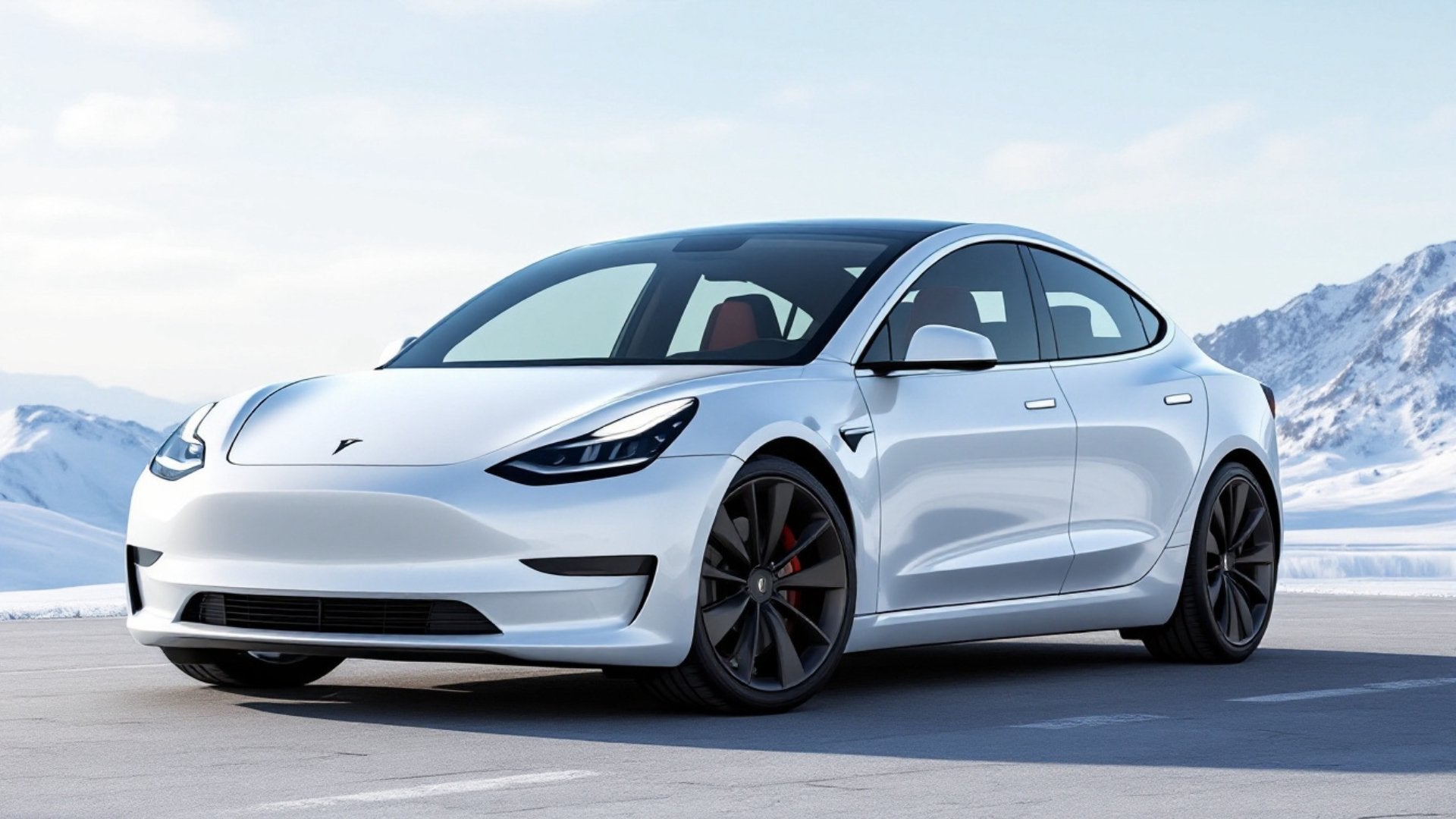
IEA: Global EV Sales Surge as Soaring Gas Prices Drive Mainstream Adoption
The IEA's Global EV Outlook 2026 shows record electric vehicle sales globally, with high gasoline prices pushing mainstream consumers toward electric in June 2026.
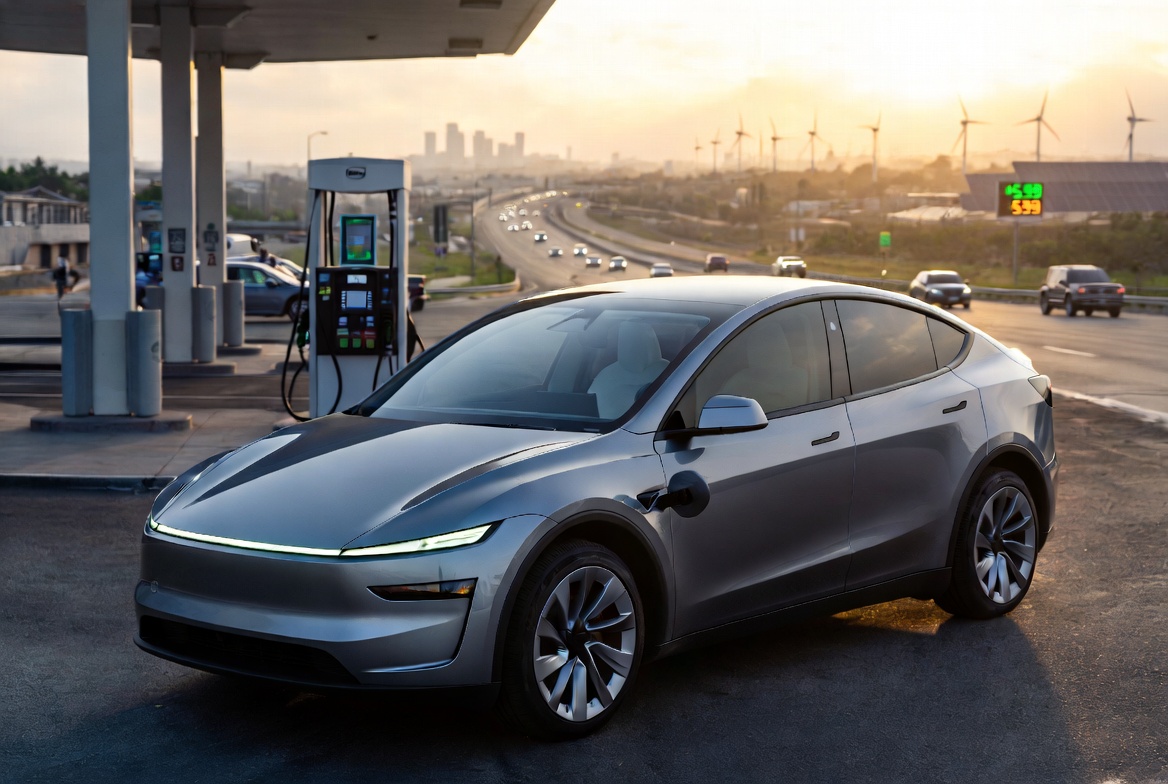
Gas Prices Become the Ultimate EV Incentive
Electric vehicle sales are experiencing a powerful rebound in mid-2026, fuelled in large part by surging gasoline prices. With crude oil elevated by geopolitical disruptions in the Middle East, pump prices have reached levels that are fundamentally shifting consumer calculus: for the first time in many markets, the total cost of ownership of an EV is clearly lower than that of a comparable internal combustion engine vehicle even without government subsidies.
The International Energy Agency's Global EV Outlook 2026, published this month, captures the depth of this shift. Global EV sales growth continues to outperform expectations, with the SUV segment — now representing around half of all available EV models globally — leading demand. Large EVs, including SUVs, account for nearly 70% of all available models in 2025 data, reflecting where consumer preferences have settled.
Best EV Deals in June 2026
June 2026 is proving to be an exceptional month for EV buyers in the US market, with automakers offering compelling financing deals, cash-back offers, and affordable lease options from both luxury and non-luxury brands. Hyundai in particular has dominated awards season: the Ioniq 9 was named Best Electric SUV for Road-Tripping and for Camping, while the Ioniq 5 secured its third consecutive title in the Best Compact Electric SUV category.
Charging Infrastructure: The Remaining Hurdle
Despite the surge in sales, charging infrastructure remains the critical friction point in EV adoption. The IEA's outlook dedicates significant attention to charging deployment, noting that investment in public charging must accelerate to keep pace with the growing fleet. The impending expiry of the US EV charging tax credit on June 30 adds urgency to the infrastructure conversation, particularly for rural and low-income communities where private investment has been slower to reach.